
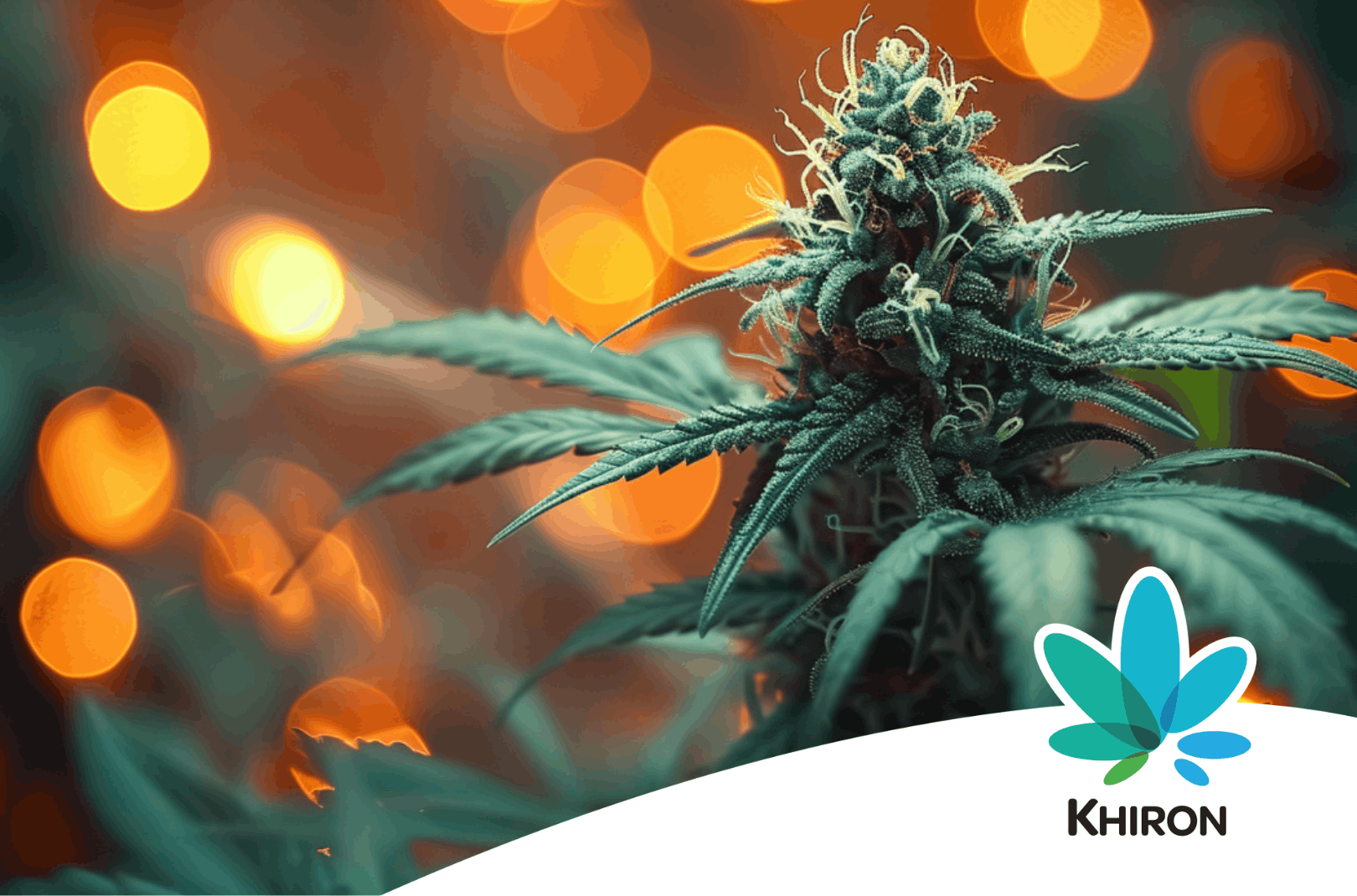
Sativa is one of the best-known terms relating to cannabis, hemp and the botanical classification of various plants. The term Cannabis sativa describes a tall-growing plant that has been cultivated for centuries and today plays an important role in agriculture, medicine and modern cannabinoid products. But what exactly is sativa? This article provides the answers.
The most important facts in brief
- Sativa is a tall cannabis plant with narrow leaves and a long flowering period.
- The actual effect does not result from the classification as sativa, but from cannabinoids (THC, CBD), terpenes and other ingredients.
- The main differences between Sativa and Indica are botanical distinctions.
- Cannabis sativa is visually characterized by a tall, slender structure.
- Sativa is equally important in industrial hemp cultivation and medical programs.
What is sativa? Meaning and botanical basics
The botanical suffix "sativa" means "cultivated" and is found in many useful plants. Cannabis sativa, however, is the best-known cannabis plant with this name. It has a tall, slender structure, grows in warm climates and forms long internodes.

Historic cultures used it to produce hemp fibers, which are still used today for numerous products such as textiles, paper and technical composites. The cannabis plant also provides seeds and oils, which are becoming increasingly important in nutrition.
Indica-makes-tired-sativa-makes-awake-scheme
Sativa is often associated with an invigorating effect. There is currently a debate in scientific circles as to whether this information alone is still up to date.
The indica-makes-tired-sativa-makes-awake scheme is actually just an outdated stereotype.
Sativa nevertheless remains a central term for better categorizing genetic lines, variety diversity and plant properties. Queries such as "Sativa effect", "Indica vs. Sativa", "Difference Sativa Indica effect" or "What is Indica" also show how great the need for information on this topic is.
What science says
Modern research shows that the classification of "sativa has an activating effect" and "indica has a calming effect" as a unique selling point is no longer scientifically tenable. There is more to it.1 The effect results primarily from the interaction of2:
- The ratio of THC to CBD.
- Other cannabinoids.
- The terpenes.
- And individual perception.
In practice, this means that two different sativa strains can have completely different effects, just as an indica strain can have a much more mental or clearer effect than a classic sativa hybrid.3
Important: The cannabis plant does not determine the effect - the chemotype does.
Difference sativa vs. indica vs. hybrid
Again and again we receive questions such as "Is sativa or indica better for beginners?" or "What is the difference between these two plant species?". With a contemporary understanding of cannabinoid profiles, these topics can be categorized more clearly than before:
| Category | Sativa | Indica | Hybrid |
| Plant | tall, slim | stocky, compact | Combination of both |
| Leaves | narrow, long | broad, strong | variable |
| Blossoms | long, airy | dense, resinous | Mixed structure |
| Varietal origin | tropical regions | Mountain regions | bred globally |
| Mechanism of action | dependent on THC/CBD/terpenes | also chemotype-dependent | Flexible depending on the breeding goal |
| For beginners | easy to understand, many varieties available | also suitable | usually the best choice |
"Nice to know" Why hybrids dominate today
Almost all modern varieties are hybrids because they fulfill the breeding objective better4: more yield, optimized cannabinoid profiles, better consistency and more stable plants. Sativa, Indica and Ruderalis each play specific roles.
Excursus: What is ruderalis?
Sativa and indica are common terms in cannabis jargon. But although Cannabis ruderalis is less well known than other hemp subspecies, it is often used as the basis for breeding new varieties due to its special properties - especially because of its characteristic, light-independent flowering behavior. Autoflower hybrids are created through crosses with sativa and indica:
- Easier to grow.
- Offer shorter flowering phases.
- Develop different cannabinoid profiles.
This genetic basis facilitates access to stable varieties in high demand, which has become particularly relevant, for example, in connection with the cannabis law in Germany, which was amended in April 2024.5
Sativa, flowers and variety of strains
The flowers of a sativa-oriented cannabis plant are typically longer and less compact. This structure improves air circulation, which is beneficial in tropical areas. Sativa strains include classic Haze lines such as Super Lemon Haze, exotic landraces and modern hybrids with fruity or spicy flavors.6 The strains differ in cannabinoids, flowering time, appearance and genetic stability.
Use of sativa in medicinal cannabis
Alternative treatment methods are increasingly turning to medicinal cannabis, with sativa also playing an important role. As mentioned earlier in the article, medical sources emphasize: Sativa or Indica do NOT alone tell you how a product works. Instead, they also count:
- The cannabinoid profile (THC, CBD, CBG etc.).
- The terpenes.
- The clinical goal.
- The individual reaction of the patient.
Typical medical applications of sativa-dominant chemotypes include
- Support for listlessness.
- Help with depressive episodes.
- Improvement in concentration.
- Use for accompanying neurological symptoms.
In practice , doctors usually prescribe different cannabis flowers for cannabis therapy in consultation with the patient until they find the variety that works best for the individual application.7 Reliable information about the cannabis plant helps to make the right choice.
Sativa flowers and other cannabis products
Many cannabis products available today are based on sativa-dominant genetics: oils, extracts, CBD products, dried flowers, medicinal preparations and industrial hemp. Products made from sativa plants can be found in both recreational and medicinal applications.
Conclusion
The answer to "What is sativa?" can no longer be pigeonholed. Modern research shows how multifaceted cannabis really is and how much changes when breeders work on their lines in a targeted manner. This creates a field of tension between tradition, outdated stereotypes and innovation that makes the centuries-old hemp culture more alive than ever before. It is precisely this interplay that lingers in the mind - and makes sativa a topic that will continue to be a subject of curiosity in the future.
FAQ
The differences between sativa and indica are originally based on the external shape of the plant: sativa grows tall and slender, while indica remains more compact. In addition, scientists are actively discussing how best to deal with the indica-makes-tired-sativa-makes-growing scheme. The trend is that these classic ideas are no longer the unique selling point.
Many cannabis novices wonder whether sativa or indica is more suitable. In fact, the experience depends less on the category of the plant and much more on cannabinoid ratio, terpenes and personal sensitivity. Beginners should move away from rigid categories and instead understand how growers target strains to achieve specific profiles. This applies to both classic hemp and highly potent cannabis products.
The more knowledge users have about the actual differences and similarities between strains, the easier it is for them to find suitable products. It is worth looking at the most important differences between cannabis plants:
Which terpenes dominate?
How high is the THC content?
Does the strain contain measurable amounts of CBD?
What were the breeding objectives?
These factors are more relevant than botanical classifications. However, it is always advisable to seek detailed advice from a doctor and to choose the right medical product together as part of a cannabis therapy.
The effects of sativa cannot be reliably predicted, as modern cannabis strains often have hybrid genetics. The major differences between strains arise from complex interactions between different cannabinoids, terpenes and the way breeders cultivate their plants over generations to achieve specific results.
If you really want to understand how sativa works, you should study the chemical profiles of the cannabis plant in detail. This in-depth knowledge is much more accessible today, as scientific publications are more transparent on the subject than ever before.
Indica, just like sativa, is a subspecies of the cannabis plant. It originally comes from mountainous regions, which is why the plant has developed broader leaves and a more compact growth habit. Read more about Indica now!
- National Academies of Sciences (2017): "The Health Effects of Cannabis and Cannabinoids".
Evidence: Individual effects, medical applications, differences between varieties. ︎ - Russo, E. (2011): "Taming THC". British Journal of Pharmacology.
Evidence: Entourage effect, importance of terpenes & cannabinoids, explanation of modern models of action. ︎ - Grotenhermen, F. (ACM/IACM Publications, 2001-2023).
Evidence: Medical use, cannabinoid profiles, patient responses. ︎ - McPartland, J. (2018): Cannabis systematics & hybridization.
Evidence: Hybrids, modern breeding approaches, genetic mixing. ︎ - Federal Ministry of Justice (2024): Cannabis Act (CanG).
Documented: Permitted home cultivation (3 plants), possession regulations, legal framework. ︎ - Clarke, R. & Merlin, M. (2013): Cannabis: Evolution and Ethnobotany.
Evidence: Botanical classification of sativa, indica, ruderalis; plant characteristics. ︎ - Grotenhermen, F. (ACM/IACM Publications, 2001-2023).
Evidence: Medical use, cannabinoid profiles, patient responses. ︎